Background information
Sustainable Development Goals
The Sustainable Development Goals (SDGs) are 17 globally defined goals with 169 targets that were adopted by the United Nations (UN) in 2015. Their purpose is to create a universal call to action that aims to end poverty by 2030, protect the planet and enable all people to live in peace and prosperity. These goals serve as a guide for international cooperation and are designed to promote sustainable development on a global scale. Further information on the 17 SDGs can be found on the official UN website (1).
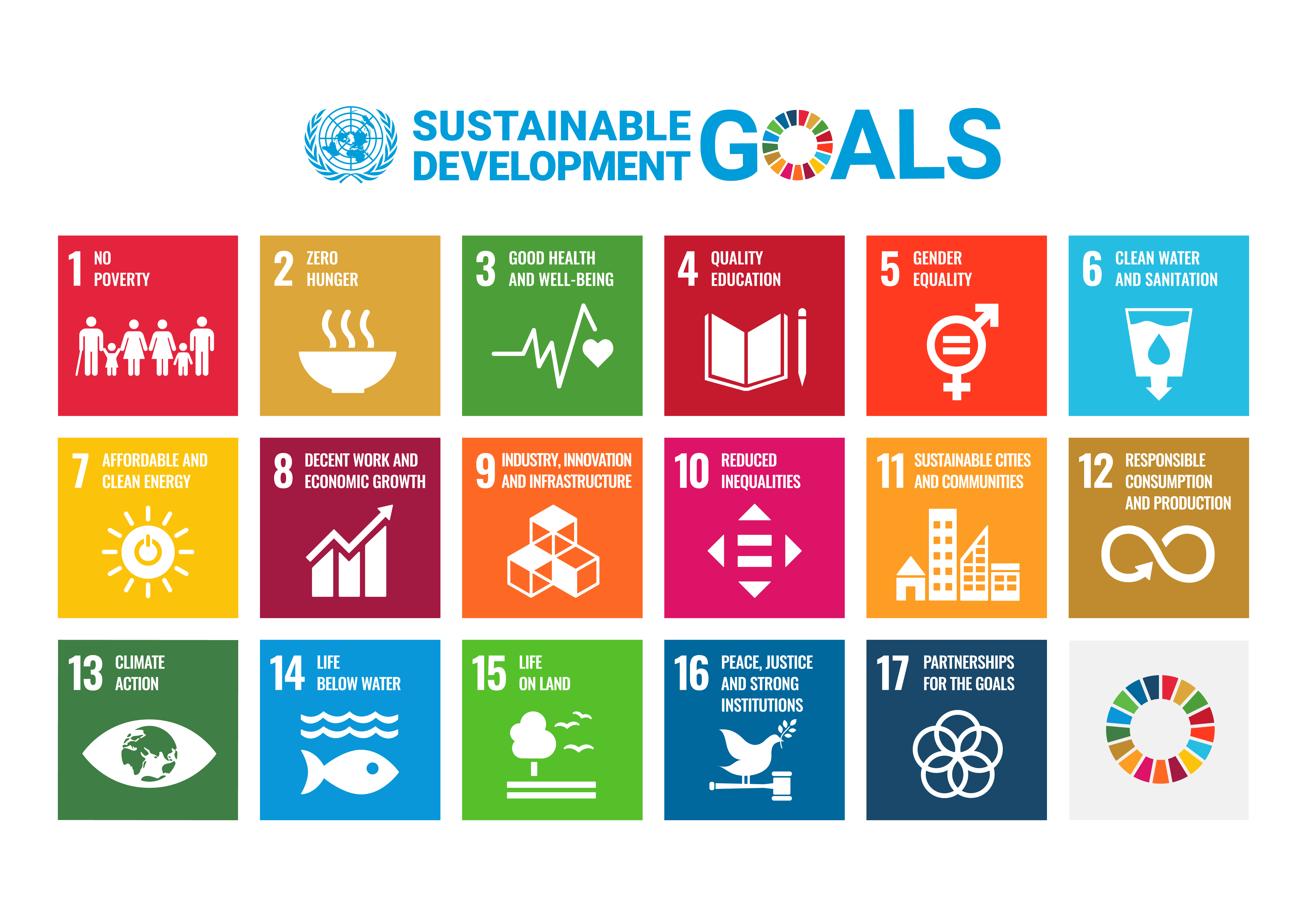
Our project aims at investigating the progress of goal 4 (education) with regards to goal 5 (gender equality). Goal 4 aims to ensure inclusive and equitable quality education and promote lifelong learning opportunities for all. Goal 5 gender equality aims to achieve gender equality and empower all women and girls.
Initial state
Education is undoubtedly a fundamental human right and an extremely effective means of empowering women as well as a strategic investment in the development of a society.
Educating girls has a number of positive effects that have far-reaching implications. Women who have access to education tend to have better health, are more active in the
formal labor market, earn more money, tend to have fewer children and are able to provide better health care and education for their own children compared to women with little
or no educational background (2).
Progress in achieving global education goals has been uneven over the past two decades and has shown unequal developments. The latest UNESCO data shows that while 60 percent
of 161 countries have achieved gender parity in primary school enrolment and only 38 percent of countries have achieved this at secondary level. Particularly in low-income countries,
significant gender inequalities persist: only 20 percent of countries have achieved gender parity at primary level, and only 10 percent at secondary level. These figures highlight a
significant global challenge (3).
The importance of education for gender equality and social development cannot be overstated. Higher levels of education often correlate with greater political and social participation
by women, which in turn has a positive impact on society as a whole. Women who are better educated tend to be more active in shaping their communities, claiming their rights, and
contributing to the creation of more stable and prosperous societies (4, 5).
Research question
How have the completion rates of women at different educational levels evolved between 2000 and 2023 globally, and how do these trends compare with changes in women's labor force participation rates across countries?
Motivation
Education is a key aspect when it comes to gender equality. It empowers girls and women and makes them less dependent. Studies also show that education can reduce the risks that women are disproportionately exposed compared to men, such as child marriage and violence (6). Although there has been some progress in increasing women's education level, there are still gaps. Furthermore, women's labor force participation rates have not increased as much as their education level. This is also the case for countries where the rate of women with higher education has increased significantly. Our web map illustrates this interesting discrepancy.