
Research Findings
How did the share and total amount of organic production change regarding the average size per farm (2000-2022)?
Overall, our maps showed that there is an increase in share and total of organic production. At the same time there is also an increase in size (ha) per farm. Kanton Graubünden shows the highest share of organic farms in Switzerland. Meanwhile, the Romandie region has experienced the most significant increase in the number of organic farms. In southern Switzerland and Schaffhausen, the size of farms has grown the most, though these farms remain relatively small compared to those in other cantons. We do not argue that one development causes the other, instead this research shows that there is a structural change in agriculture. This makes it even more important to guide this change with clear policies and subsidies which promote the growth of organic farming and support the survival of small farms.
The State of Organic Farming in Switzerland
In 2022, Switzerland counted 48,344 agricultural farms. This is a 1.1 per cent decline from the previous year. Nevertheless, organic farming continues to grow gradually. Of the total agriculture today, organic farming accounts for 7,819 farms, which is a small increase from 7,670 organic farms in the year 2021. Since 2000 organic farms have increased by over 3000 farms, which is more than a 62 per cent increase over the last 20 years. Today organic farming manages 16.2 per cent of total agricultural activity, managing nearly one-fifth of the country’s agricultural land (BWL, 2023).
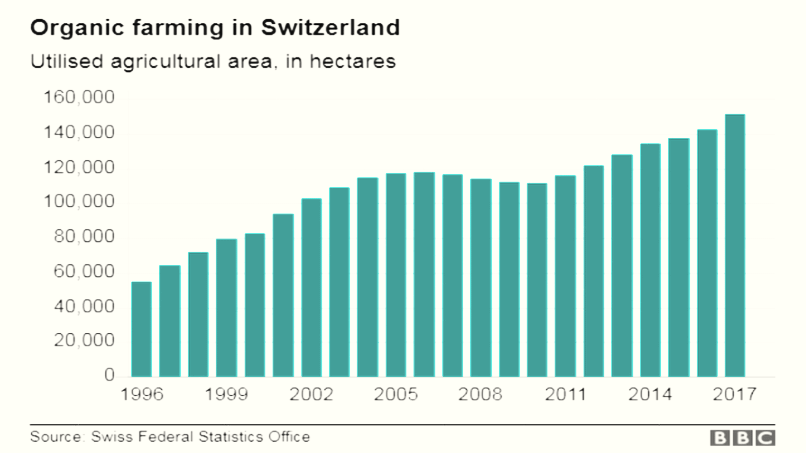
Image 3: Organic Farming in Switzerland, Source: Foulkes (2018)
Structural change in size per farm
In 2022, the total area of agricultural productivity accounted for 1’042’000 hectares. From this area, organic farming cultivated 186,335 hectares, increasing by 2.7 per cent in size from the previous year. This area accounts for almost 18 per cent of Switzerland's total agricultural land. In fact, on average, the size of an organic farm is around 23.8 hectares, which is larger than the overall average farm size of 21.6 hectares. This shows that Swiss agriculture is undergoing a structural transformation. While the total sum of smaller farms under 30 hectares decreased by 2.0 per cent, larger farms of 30 hectares or more increased by 1.9 per cent. This trend indicates a consolidation towards larger farms (BWL, 2023).Development of utilised agricultural area in Switzerland
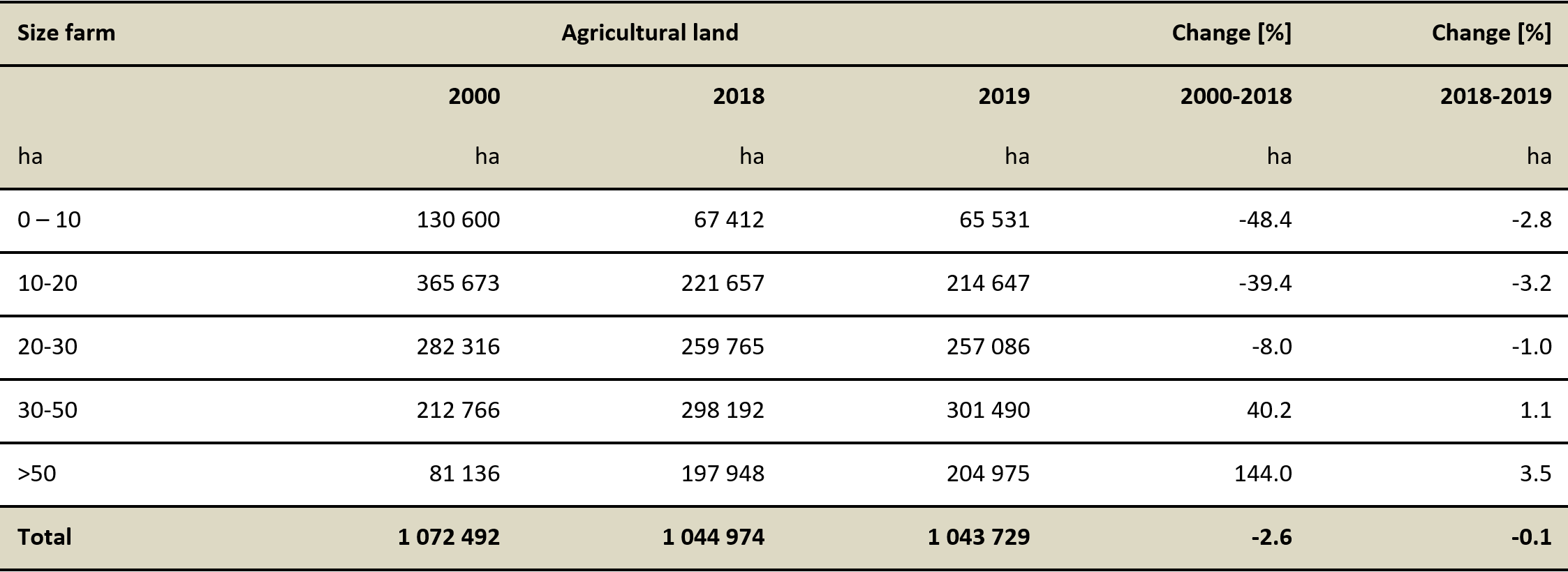
Table 1: Development of the agricultural land use, Source: BLW (2020)
The table above shows how Switzerland's agricultural area decreased slightly over time. Since 2000, the annual decrease has been 0.1 per cent of agricultural land. The distinction between smaller and larger farms shows clearly how there has been a decrease in small farms and an increase in larger farms. For example, small farms with an area of 10 to 20 hectares have decreased by almost 20 per cent in the last 20 years, whereas farms with a size between 30 to 50 hectares have increased by 40 per cent. Nevertheless, the total agricultural area shrunk by less than three per cent in the last 20 years.
The development of government subsidies
The Swiss government supports local agriculture with subsidies since the 1. of June 1993. The goal of these subsidies is to promote self-sufficiency and sustainable agriculture. If inflation is considered, subsidies have not increased in the last 30 years. Besides other factors, the system led to an increase in organic farming and guaranteed the livelihood of Swiss farmers. Therefore, it can be seen as a success, but it also has its down sides (BLW, 2023a). The system’s complexity has increased and the incentive for organic farming is not big enough. In subsidizing conventional farming and allowing the use of fertilisers and pesticides, herbicides the sustainable use of the terrestrial ecosystem is not ensured. This is why it is important to reform this system to meet the SDG’s.
Policy Recommendations
The ongoing growth in organic farming and structural change in farm size in Swiss agriculture present both opportunities and challenges for future agricultural policy. It is crucial to support organic farming, as it is particularly suited to provide for sustainable agriculture. The share of organic farming (16.2 %) is still way too low, and it needs to increase if we want to meet the target of the SDG’s: sustainable agriculture, sustainable consumption and production patterns, sustainable use of terrestrial ecosystems and halt biodiversity loss.Some of the following measures are recommended to take into consideration:
Promote Organic Farming: Increase subsidies and support for organic farms, compared to
conventional farming to
create a clear incentive for organic farming. Offer extra subsidies for the adaption time when farms are
changing from conventional to organic farming.
Regional Development: Adapt support programs to the needs of regions with a high proportion of
small farms to
facilitate their transition to organic production, in order for them to survive.
Sustainable Agriculture: Ensure future agricultural policies prioritize sustainable and environmentally friendly
practices.
Regulate Fertilisers and Pesticides: Increase regulatory reforms to further minimise the use of
environmentally
unfriendly chemical and synthetic substances.
Through these targeted actions and forward-thinking of agricultural policies, this will support positive trends in organic farming and sustainably shape the future of Swiss agriculture.