Modalsplit in Switzerland from 2000 to 2021
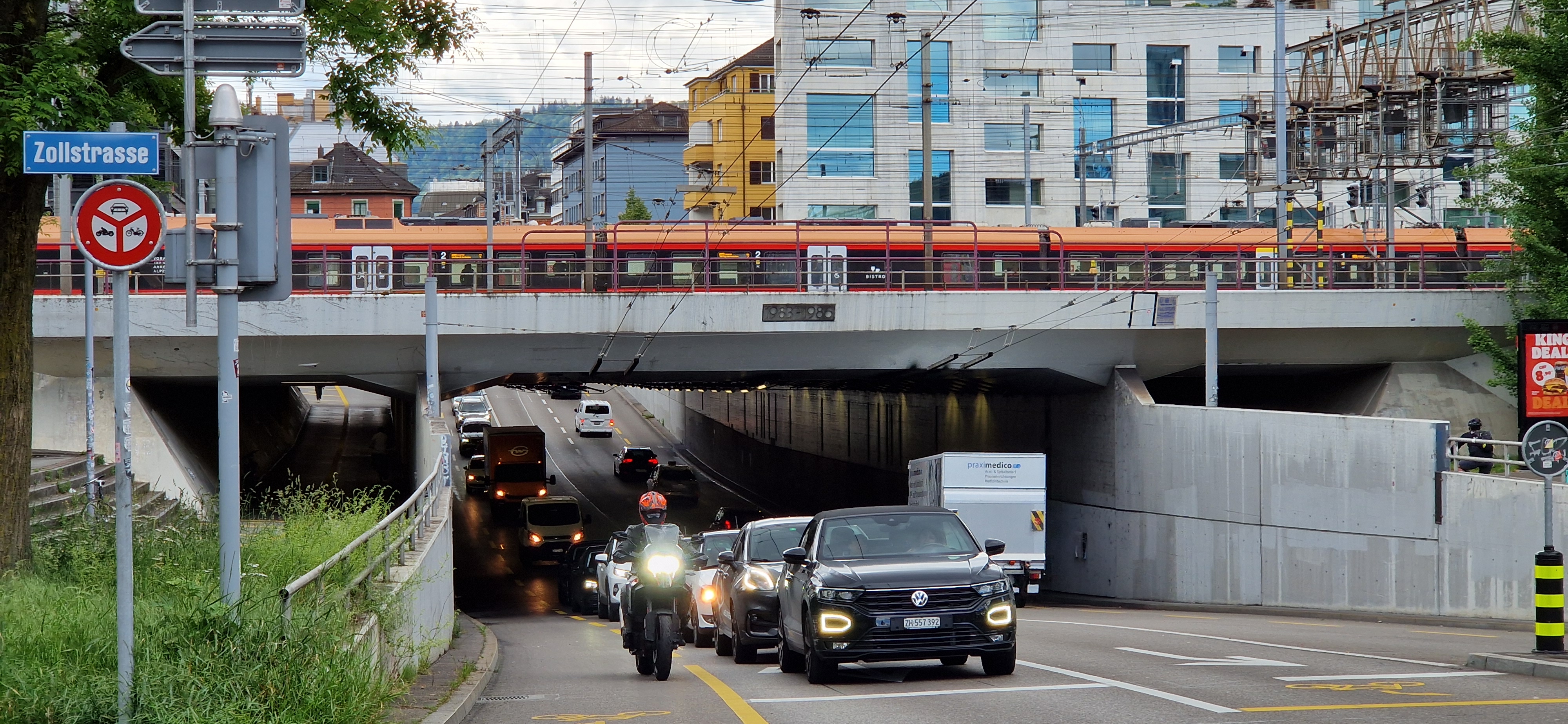
Mobility is an important foundation for any modern society. As mobility demand is increasing with economic and population growth, sustainable and efficient transport infrastructure is moving to the spotlight of transport planning and decision making all over the world. Our project aims to create an overview of the sustainability of Switzerland’s transportation system by showing disparities between different regions as well as changes over time.
How has mobility in Switzerland changed over time? Can we identify any trends or shifts in transportation patterns, such as the rise of more sustainable modes of transportations?
Modalsplit describes the share of the modes of transport that are used either within a certain area or along a specific transport axis (Ungvarai 2019). While Modalsplit can be calculated for both passenger and freight mobility, we focus on passenger transport only in this project. The modes of transport are categorized into three groups: walking and cycling, public transport, and motorized individual traffic. Walking and cycling include distances travelled by foot, by bike and by e-bike. Public transport includes trains, busses, and trams. Motorized individual traffic includes moped, motorcycle, car as driver, and car as passenger.
Micro census is a data collection method which uses surveys to gather information about the population. In the micro census data we use, a representative sample of randomly selected people who live in Switzerland have been asked about their mobility behaviour. The survey includes questions about the ownership of vehicles and public transport travelcards, number of daily trips, daily travel distances, modes of transports used and purposes of mobility (Bundesamt für Statistik 2023a).
(Learn more about the data here)
Transportation is the economic sector with the most significant negative ecologic and social externalities. It is, therefore, widely agreed that, in order to reach the sustainable development goals, action is needed to make transportation more sustainable (Holden et al. 2019).
Modalsplit is a useful tool to assess the sustainability of transportation in total, as it allows to inspect the market share of sustainable modes of transport. Our project, therefore, covers the area of three sustainable development goals
“Build resilient infrastructure, promote inclusive and sustainable industrialization and foster innovation”. (United Nations 2024b)
Our project addresses this goal since mobility is in the first place about infrastructure. Sustainable infrastructure includes long durability and little negative externalities for nature and humans, but also economical and inclusive operation.
Find more here:
“Make cities and human settlements inclusive, safe, resilient and sustainable”. (United Nations 2024c)
Since population in cities is most affected by transportation-caused greenhouse gas emissions, protecting citizens in urban areas from hazardous emissions is particularly important for reaching social, environmental and economical sustainability (Nieuwenhuijsen, 2016).
Find more here:

“Take urgent action to combat climate change and its impacts”. (United Nations 2024d)
Transportation is playing an important role on achieving the Paris Climate Agreement, since roughly a quarter of all greenhouse gas emissions are due to transportation. (United Nations 2024a)
Find more here: